
The Override Inventory: Why Nurses Don't Recognize Their Own Burnout
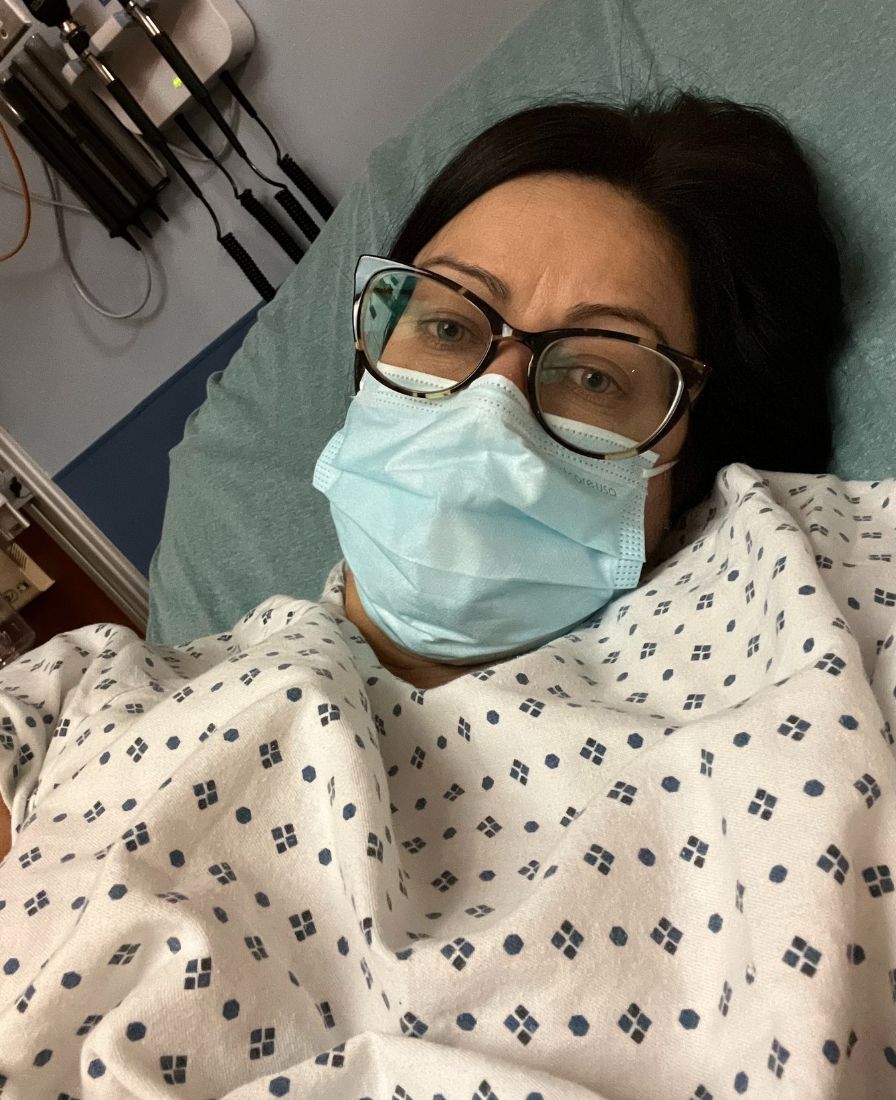
Where your nervous system actually is—not where you think it should be
You'd never miss the signs in your patient.
Tachycardia. Diaphoresis. Altered mental status. Decreased urine output.
You'd chart it. Notify the provider. Intervene.
But when it's YOUR body sending the signals?
You override them.
You work through hunger. Ignore the bathroom urge for the third hour straight. Push past the tension headache. Tell yourself you'll eat after the next admission.
This isn't dedication. This is override.
And your nervous system is keeping score, even when you're not.
The Problem: Override Feels Normal
Most nurses don't recognize their own burnout because they've normalized the exact symptoms they'd flag in a patient.
You wouldn't tell a patient with a resting heart rate of 110, "That's just what happens when you work here."
But you tell yourself, "Everyone feels like this. This is just nursing."
Here's what you might not know:
Where you are in the burnout cycle and what your specific coping patterns actually look like.
You know you're tired. You know something feels off.
But do you know your override score?
The Four Domains of Override
Burnout isn't just exhaustion. It manifests across four distinct domains, and most nurses are unaware of the number they're experiencing simultaneously.
PHYSICAL OVERRIDE
The signals your body sends that you've trained yourself to ignore:
- Working through hunger, thirst, and bathroom needs
- Ignoring pain, fatigue, or illness
- Feeling physically exhausted even after time off
- Body feels tense, like you're holding your breath
- Struggling to sleep despite being exhausted
The clinical truth: Your sympathetic nervous system is stuck in "on." Your body is screaming for intervention, but you've learned to override the alarm.
EMOTIONAL OVERRIDE
The feelings you suppress at work that you can't access later:
- Suppressing emotions during your shift, then feeling unable to access them when you're home
- Feeling irritable, flat, or emotionally numb
- Crying easily, or wishing you could, but can't
- Disconnected from things that used to bring you joy
- Questioning if you still want to be a nurse
The clinical truth: Emotional suppression isn't resilience. It's a nervous system adaptation to chronic stress, and it has a shelf life.
MENTAL OVERRIDE
The cognitive load that doesn't shut off:
- Can't stop thinking about work when you're off
- Replaying situations, wondering what you could have done differently
- Struggling to concentrate
- Feeling foggy, forgetful, or like your brain won't work
- Ruminating over mistakes
The clinical truth: This isn't poor time management or lack of boundaries. It's a hypervigilant nervous system that can't downregulate because it never receives the "all clear" signal.
RELATIONAL OVERRIDE
The connections that suffer when you're running on empty:
- Withdrawing from family, friends, or colleagues
- Feeling lonely even when surrounded by people
- Snapping at people you love or feeling distant from them
- Avoiding social situations
- Relationships feeling strained
The clinical truth: Isolation isn't about being antisocial. It's your nervous system trying to reduce stimulation when it's already maxed out.
Your Override Score: Where Are You Actually?
Most nurses exist somewhere between 21-60 on the Override Inventory, the range where symptoms are present but not yet crisis level.
Here's what the scores mean:
0-20: REGULATED
Your nervous system is well-adapted. You catch symptoms early and respond before override becomes a pattern. Continue using regulation practices as maintenance.
21-40: EARLY WARNING
Signals are starting. This is your window to intervene NOW before it escalates. Fine-tune the areas where you scored highest to return to regulation.
41-60: ESTABLISHED OVERRIDE
Running on fumes. This is where most nurses live, and where the pattern becomes "normal." You're functioning, but you're not okay. The AIR/CARE Method is your starting point.
61-80: SEVERE OVERRIDE
Nervous system in crisis. Your body is DEMANDING attention. Start with regulation practices today. You may need additional support. Healing is possible, but you need intervention now.
The Pattern Behind the Score
It's not just THAT you're in override. It's WHY.
Most nurses run one or more of these three patterns:
CAREGIVER PATTERN:
- Worth is tied to showing up for others
- Give to everyone, struggle to receive
- Feel guilty when not helping
- Say yes when you want to say no
ACHIEVER PATTERN:
- Impossibly high standards
- Value tied to performance
- Can't rest without guilt
- Good isn't enough
RESPONSIBILITY PATTERN:
- Take on what isn't yours to carry
- Feel responsible for uncontrollable outcomes
- Can't delegate or trust others
- Try to fix what isn't your job
When these patterns converge?
EXHAUSTION.
Running on empty for so long, you've forgotten what capacity feels like. Nothing left to give. Fantasizing about leaving nursing. Wondering how much longer you can sustain this.
Why You Didn't Recognize It
You probably already knew something was off.
Maybe you couldn't name it. Or you rationalized it as "everyone feels like this."
But here's the thing:
Your burnout score confirms what your body's been trying to tell you: you're in override.
Now you have the data to interrupt the pattern before your nervous system makes the choice for you.
The way mine did.
What Severe Override Actually Looks Like
I was donating blood at my own hospital, because that's what we do, right? Show up. Help. Override our own needs to meet everyone else's.
Then I collapsed.
Convulsions. Loss of consciousness. Peed myself.
They ran the full workup: EKG, labs, neuro assessment. Everything normal.
Because this wasn't a seizure. This was a nervous system in complete shutdown.
Dorsal vagal freeze state, the thing that happens when fight and flight have both been exhausted, and your body has one option left: shut down entirely.
The convulsions? My autonomic nervous system trying to discharge the accumulated stress as it came out of freeze.
The loss of bladder control? Autonomic failure. Your body's most basic regulatory functions going offline when the nervous system can't maintain them anymore.
I was in a DNP program. Working full-time, coming in early, and staying late to accommodate all shifts with staff support. Managing programs. Collecting certifications.
And I ended up completely shutting down in the same room I had just taught yoga to grieving coworkers in, just days earlier, having lost complete control of my body, while my colleagues, my friends, tried to figure out what was wrong.
Nothing was medically wrong.
Everything was nervous-system wrong.
This is what 61-80 on the Override Inventory looks like when your body makes the choice for you.
What I'm NOT Giving You Here
I'm not going to teach you the complete AIR Method in this blog post.
I'm not going to break down the full CARE Framework here.
I'm not going to give you a step-by-step regulation plan.
Because you need more than a blog post.
You need practice. You need community. You need someone who's been in a freeze state and regulated their way back to teach you how.
That's why I'm doing this:
REGULATED OVER RIPPED
Live Workshop January 15, 2026 | 7 pm EST
While everyone else is posting their New Year transformation goals, we're doing something different.
We're choosing regulation over achievement.
In this 90-minute live workshop, we'll:
→ Practice the AIR Method together (not just read about it, actually DO it in real-time)
→ Identify YOUR specific CARE pattern (so you know exactly what's driving your override)
→ Build regulation tools that work during actual shift work (not wellness culture BS that requires a spa day)
→ Get your questions answered live (bring your skepticism, your exhaustion, your "yeah but what about...")
→ Join nurses choosing sustainability over suffering (you're not doing this alone)
This isn't another certification. Another credential to collect. Another thing to achieve.
This is learning to interrupt the pattern that's been running you.
Who This Workshop Is For
✓ If you scored 21+ on the Override Inventory
✓ If you recognize the CARE patterns in yourself
✓ If you're exhausted from achieving
✓ If "self-care" advice makes you want to scream
✓ If you work bedside and need tools that actually work during your shift
✓ If you're ready to choose regulation over performance
This is for you.
What Makes This Different
I'm not a wellness coach who left bedside to teach self-care.
I'm a working bedside RN with 30+ years in critical care, pediatric ER, PACU, VIR, and vascular access.
I've been in a complete freeze state, in my own hospital, having lost autonomic control.
I withdrew from my DNP program after 26 credits and $32,000 in debt, not because I couldn't do it, but because it was killing me.
I learned the hard way that you can't credential your way out of a dysregulated nervous system.
The workshop I'm teaching is the culture I wish had existed when I needed it.
Not tips for better work-life balance.
Clinical nervous system regulation for nurses in override.
Start Here: Take the Assessment
Before the workshop, you need to know where you actually are.
Not where you think you should be. Not where everyone else seems to be.
Where your nervous system actually is.
TAKE THE FREE BURNOUT ASSESSMENT
It takes 10 minutes.
You'll get:
- Your Override Score (0-80)
- Your domain breakdown (which areas are highest)
- Your CARE Pattern profile
- The AIR Method overview
- Workshop invitation
Then on January 15, we go deeper.
We practice together. We build your regulation plan. We choose differently.
The Hard Truth
Burnout isn't a character flaw.
It's a nervous system response to an impossible environment.
You didn't fail. The system failed you.
But you CAN learn to regulate, even in a system designed for override.
That's what this work is about.
Not perfection for an Instagram post.
Just regulation. Sustainability. Showing up whole.
You're worth that.
Next Steps
1. Take the Burnout Assessment. Find out your Override Score and CARE Pattern
2. Register for the Workshop January 15, 2026 | 7 pm EST Early bird pricing ends January 10
You Did Something Most Nurses Never Do
You paused to assess where you really are.
That's the first step.
Now let's take the next one together.
See you on January 15.
Here with you, Diane
REGULATED OVER RIPPED
Live Workshop | January 15, 2026 | 7pm EST
 → Practice AIR Method live
→ Identify your CARE pattern
→ Build sustainable regulation tools
→ Join community choosing different
 Early bird pricing ends January 10
 REGISTER NOW →
 Haven't taken the assessment yet?
START HERE → FREE Burnout Assessment

