
Your Brain Takes Out the Trash While You Sleep
IT’S NATIONAL SLEEP WEEK
Your Brain Takes Out the Trash While You Sleep, and Nurses Are Running on a Full Bin.
What I learned in restorative yoga teacher training, lived through a call night, and tracked on my Oura, and what it means for every nurse carrying chronic sleep debt.
I was sitting at the nurses station in an empty PACU, my unit, the one that hums with controlled activity on any given day shift, now stripped down to its bones at 1 am. Just me and my call partner, the sounds of silence where there are usually a dozen conversations happening at once, waiting for one patient still in the OR down the hall. A hernia repair. A fellow at the wheel. Case turned open. Bone broth in hand as an alternative to coffee when I needed something warm and remembered I had left some in fridge, watching a lecture on HRV for my restorative yoga teacher training, when something stopped me mid-sip.
During sleep, the brain actually shrinks slightly. Not permanently. Just enough to open channels between cells so cerebrospinal fluid can flow through and flush out metabolic waste, including the amyloid plaques and tau proteins linked to Alzheimer's and dementia. This process, driven by the glymphatic system, is almost exclusively active during sleep. It takes out the brain's trash.
It only runs when you're asleep. And it only runs well during deep sleep.
I looked up from my laptop at the empty nurses station. At the bone broth. At the 1am timestamp on my phone. And I thought: nurses are out here, lives in our hands, making in the moment critical decisions, without ever emptying the bin.
Sleep isn't rest. It's maintenance. And as nurses, we are notoriously, chronically, almost proudly behind on it.
One Call Night. 2.5 Hours of Debt.
I have worked every shift this profession offers. Nights, evenings, days, weekends, Baylor, which was the best bang for my buck when my kids were young and I needed a full week to regroup. Eights, tens, twelves, call. Thirty-plus years and I know exactly what each one costs.
These days I work day shift and I protect my sleep carefully. My Oura ring tracks it, my HRV reflects it, and my nervous system, after years of finally learning to listen, tells me when something is off.
Friday started at 4:30am. A full 12-hour shift, short-staffed, the kind of day that asks everything. I came home, stayed up a little later than planned watching a movie with my family, and tucked into bed, working through a sleep-supporting breathwork sequence on my Garmin because call night sleep is its own category. The nervous system knows. You're always half-listening.
The pager went off before midnight, maybe 5 minutes into sleep, the moment the patient arrived in the OR, just in case the case wrapped early. It never does. We all know it never does. I arrived at 12:31, waited until 1:35am, and drove home at 3am.
My dog woke me at 6:55 for the bathroom. Back to sleep until 9. Opened my eyes to that specific headache. The nausea that has nothing to do with what you ate. The fog that follows you around until noon.
My Oura told me what I already knew: 2.5 hours of sleep debt from one call night. One. On top of otherwise protected, carefully tended sleep.
I took Saturday easy. Rescheduled the workout I had planned if I had been lucky enough to sleep through the night. Early to bed. Full night's sleep. By Sunday morning I was down to 20 minutes of debt and improving.
That is what one night costs a nurse who otherwise protects her sleep carefully. Imagine the math for nurses carrying this every single week, little kids, trying to make it to every single Mother’s Day tea, play date and appointment, because that’s the perk of nights right? Not missing anything except sleep.
The glymphatic system doesn't negotiate. It either runs or it doesn't. And for nurses working nights, it's running a fraction of what it should be.
Why This Matters More Than We're Told
We talk about nurse fatigue in terms of patient safety, medication errors, reaction time, clinical judgment under pressure. All real. All documented. All important.
But the glymphatic piece adds something we don't talk about enough: what chronic sleep deprivation is doing to nurses' own brains over time. The waste not being cleared. The plaques accumulating quietly while we're busy taking care of everyone else's health but our own.
Sleep isn't a luxury nursing culture can't afford to prioritize. It's a biological necessity that nursing culture has normalized skipping.
On National Sleep Week, while the wellness world dispenses sleep advice designed for people with predictable schedules and bedrooms that don't get interrupted by pagers, here is what sleep protection actually looks like for us. Real tips. Real shifts. Real trade-offs.
What Actually Helps. For Nurses. In Real Life.
These didn't come from a sleep study on people who work 9 to 5. They come from thirty-plus years of working every shift this profession has, a restorative yoga teacher training, an Oura ring, and a nurses station at 1am.
|
Cut coffee 6 hours before sleep. Every shift. Not just nights. This one applies across the board. The 3pm cup on a day shift, the end of shift coffee on evenings, the one you grab before driving home from nights. Coffee has a 5 to 6 hour half-life and it follows you into bed regardless of when bed happens to be. It is basically oxygen for nurses. It is also the thing quietly fragmenting your deep sleep every single night. |
|
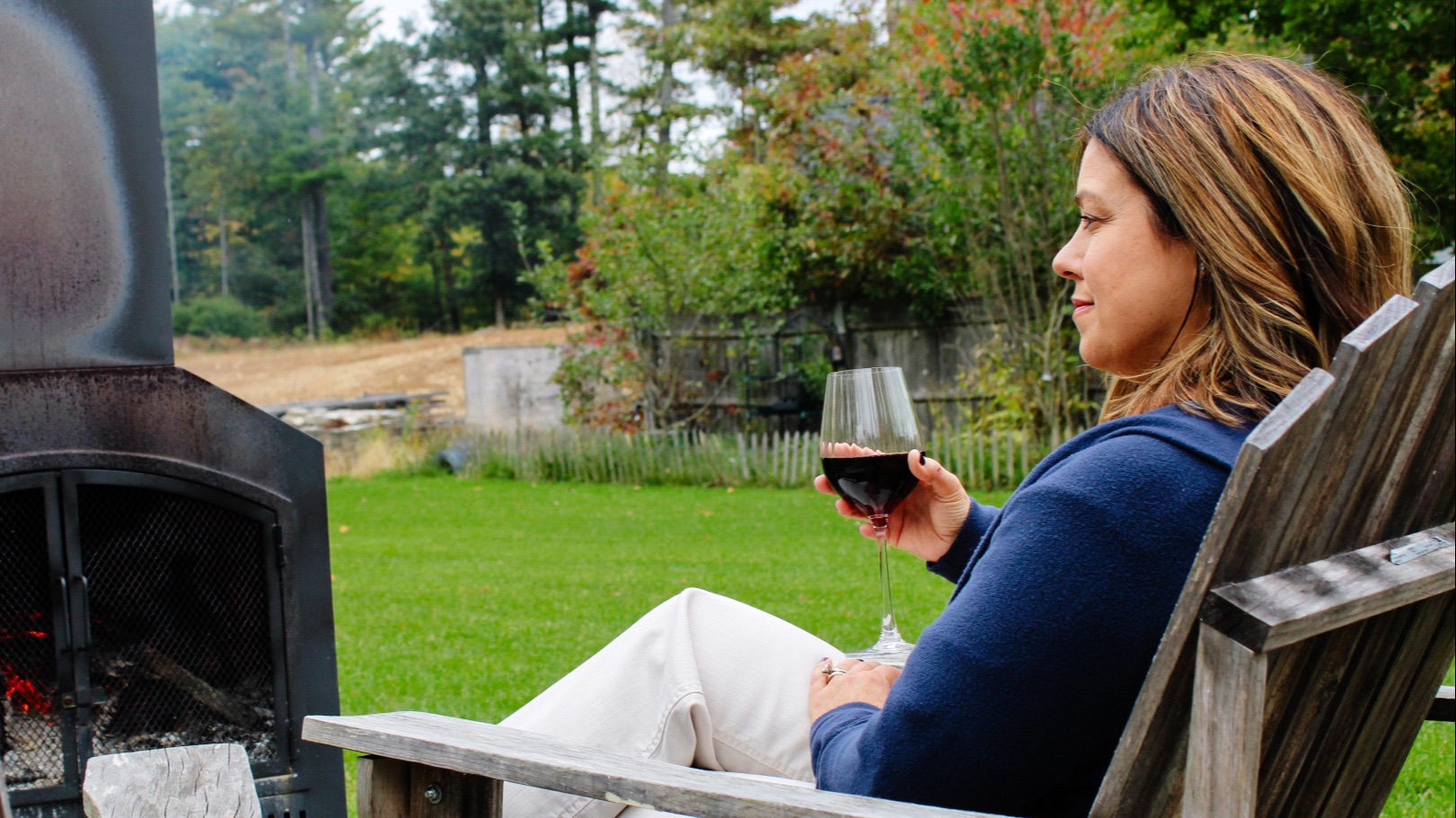
The wine after a hell 12 feels like relief. It isn't really. A glass here and there is life. But if the hard shift regularly ends with a pour just to come down, it's worth knowing that alcohol sedates without actually restoring. It fragments the deep sleep stages where the glymphatic system runs. You wake up still tired and wonder why. Now you know. |
|
Move regularly. Not to earn rest, to make rest actually work. Exercise is one of the most reliable ways to improve sleep quality and raise HRV over time. The parasympathetic rebound after movement primes the body for deeper sleep. On the hard weeks especially. Even a walk counts. |
|
End of night shift: stay awake gently, not aggressively. Screens and bright light at the end of a night shift send the same wake signal you're trying to avoid. The goal is staying alert enough to give report and drive home safely without triggering a full second wind. Light movement around the unit, a cup of decaf or broth as a wind-down ritual, dimmer lighting where possible. Start telling your body that a comfortable bed is coming, not that you're going for round two. |
|
|
On days off after nights, use natural light to reset forward, not to wake up. This is where natural light earns its place. Getting outside after sleeping post-nights helps shift the circadian rhythm back toward day. A walk, some gentle movement, daylight exposure. Then go to bed a bit later that night and wake without an alarm. That is resetting the clock on purpose, not wasting a day. |
|
|
Before the next night shift, move, shower, stay active, and consider a short nap. A 20 to 30 minute nap in the late afternoon before a night shift tops off the tank without tipping into grogginess. Stay active through the day so the nap lands well and you arrive to the shift with something in reserve. |
|
|
Don't push through after nights just to save the day. The day will survive. Go to sleep. Even 3 to 4 hours if you're not working again that night. Get up, move a little, shower, enjoy what's left. You are not wasting a day. You are resetting the clock on purpose. |
|
|
Track it. The data is more motivating than good intentions. Seeing 2.5 hours of sleep debt on my Oura after one call night made every Saturday choice easier. Not because I needed permission to rest, but because the numbers confirmed what my body was already saying. Tools like Oura, Garmin, and free sleep tracking apps help nurses see patterns they have spent years normalizing. |
I drove home at 3am with the headache already forming. By Saturday morning the fog was real and I made every small choice I could to keep the thread. Bone broth over coffee the night before. Restorative yoga over the hard workout. Early to bed. Full night's sleep.
By Sunday I was 20 minutes down and improving. One call night. Three recovery days. That is the math for a nurse who otherwise protects her sleep carefully.
Imagine what it looks like for nurses doing this every week. And then imagine what it would mean to take the glymphatic system seriously, not as a wellness trend, but as a clinical reality that applies to the people doing the caring, not just the patients receiving it.
Your brain needs to take out the trash. Let it.

